
To drive smarter prospecting in 2026, the right choice between Clay and Lead411 depends entirely on your internal headcount. You should choose Clay if you have a dedicated RevOps team ready to build complex data pipelines. You need Lead411 if your sales reps just want verified phone numbers to start dialing right now. They solve two completely different problems.
I have seen companies fail with both tools because they misunderstood what they were actually buying. Clay is a blank canvas. It uses API integrations to run waterfall enrichment across dozens of data providers at once. Lead411 operates as a closed ecosystem. It relies on an internal research team to manually verify US-based direct dials and layer them with active intent signals.
This fundamental difference in how they source data impacts everything from user experience to your monthly bill. Clay brings a steep technical learning curve and unpredictable credit-based pricing that requires careful management. Lead411 offers an intuitive interface and a highly predictable subscription model. Let me walk you through exactly how these structural differences play out across their features, data quality, and hidden limitations so you can match the right software to your actual team.
Key Takeaways
Headcount dictates the platform: Clay requires a dedicated RevOps function capable of writing custom JSON logic and managing API keys. Lead411 requires only sales development representatives ready to execute immediate outreach.
Accuracy mechanisms differ entirely: Clay’s data coverage depends completely on your ability to chain the right external APIs together. Lead411 relies on a closed, 90-day internal human reverification cycle to prevent hard bounces.
The architectural middle ground: The gap between these two extremes is steep. If you want the multi-provider coverage of an API-first tool without the engineering overhead of building it yourself, a dedicated waterfall enrichment platform like FullEnrich provides the necessary bridge.
Clay vs Lead411: Side-by-Side Comparison Table
This table highlights how Clay focuses on flexible, API-driven workflows for enrichment and automation, while Lead411 provides a ready-to-use contact database with verified email addresses, direct dials, and intent signals to accelerate prospecting and sales outreach.
Attributes | Clay | Lead 411 |
|---|---|---|
Best For | Technical teams, RevOps, and growth teams need multi-provider enrichment workflows | SDRs, sales teams, and marketing teams need ready-to-use B2B contact lists with intent data |
Core Focus | API-first data orchestration and enrichment automation | Proprietary contact database with built-in intent signals and verified direct dials |
Primary Users | Developers, growth teams, RevOps, and data teams | Sales reps, SDRs, marketing ops, and small to mid-market sales teams |
Data Source | Aggregates multiple B2B data providers, custom enrichment pipelines | In-house proprietary database with direct dials reverified by human researchers every 90 days |
Automation | High; fully programmable pipelines and multi-source workflows | Low; relies on out-of-the-box intent triggers and native sales engagement (Reach) cadences |
Pricing Model | Usage-based; custom plans depending on API calls and workflows | Subscription-based; starts around $49 per user/month |
Integration | API-first; integrates with CRMs, data warehouses, and internal tools | Direct, pre-built CRM syncs (Salesforce, HubSpot) and an intelligent Chrome Extension |
Data Compliance | GDPR, CCPA compliant, depending on the source provider configuration | GDPR and CCPA compliant; includes legal documentation for outbound usage |
Support | Email, chat, and dedicated account managers for enterprise | Email, chat, and knowledge base; dedicated support for higher plans |
What is Clay?
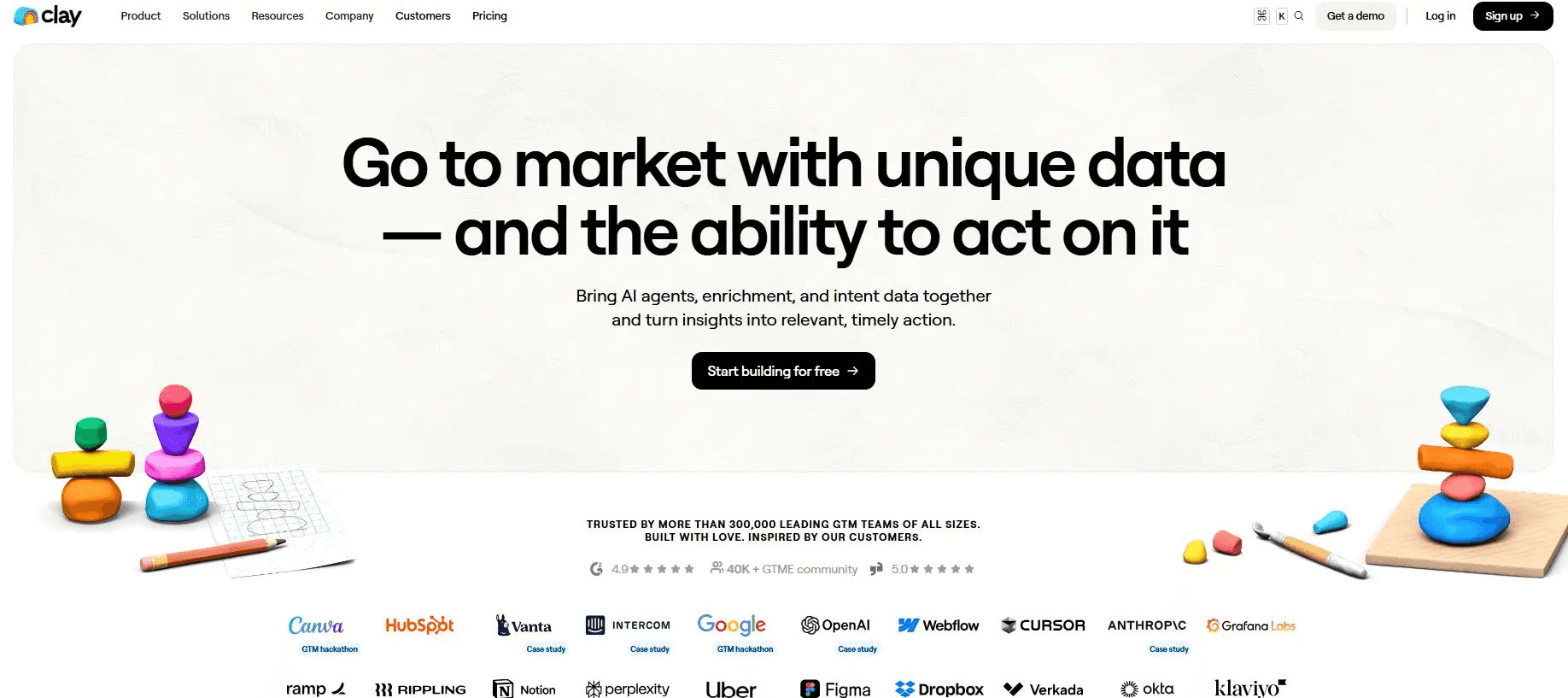
Clay functions as a programmable data orchestration layer rather than a static contact database. It provides the infrastructure to execute multi-provider waterfall enrichment. Teams connect API keys from various external data vendors into the workspace.
The platform then automates the querying process across those combined sources. If a primary vendor fails to return a valid email address, the system automatically triggers a secondary or tertiary provider based on predefined routing rules. Recent data from the G2 Clay reviews page highlights its native integration with large language models. This allows operators to automatically synthesize scraped company data into highly personalized outbound copy.
What is Lead411?
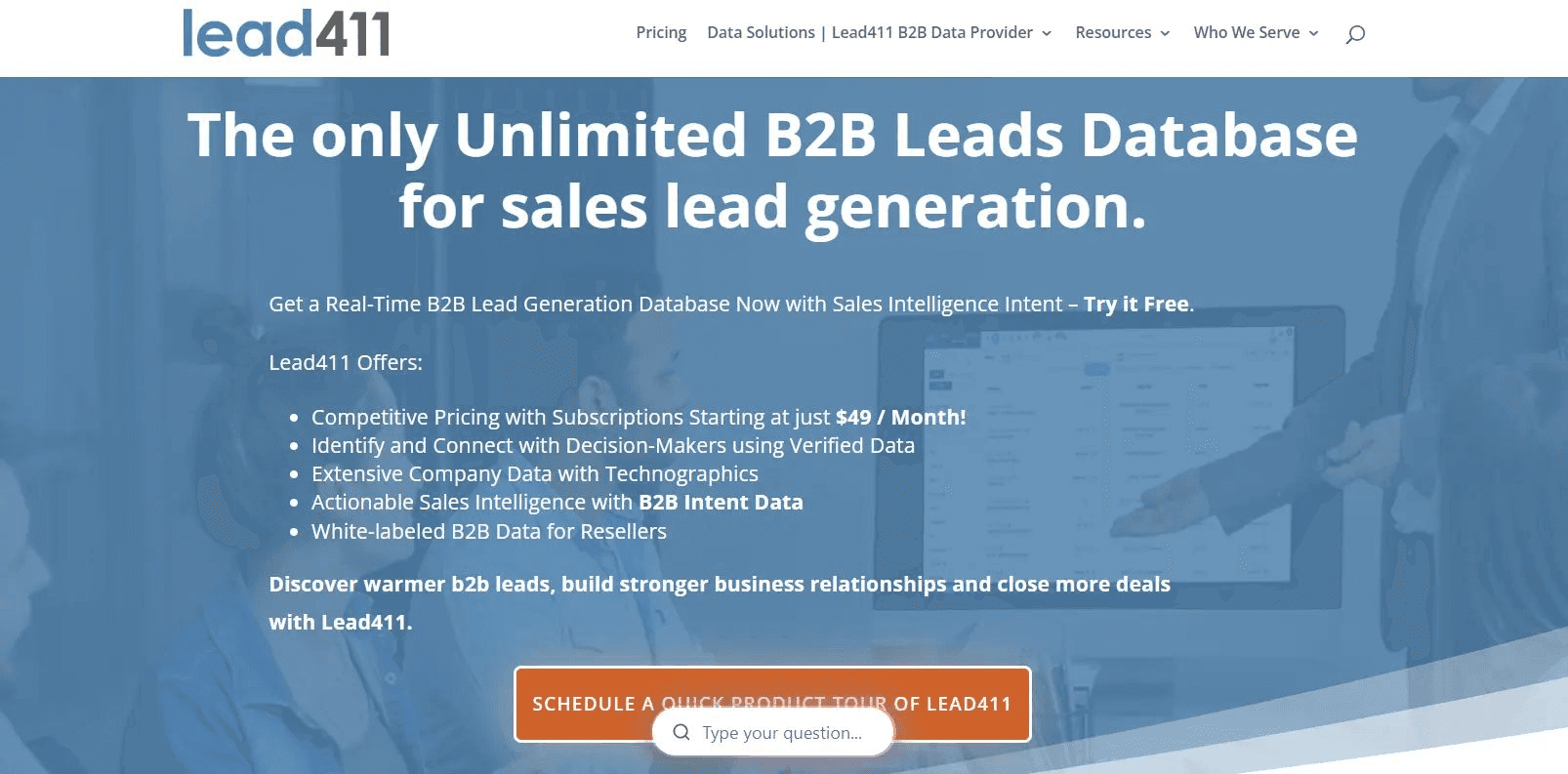
Lead411 operates as an integrated B2B sales intelligence platform that provides triple-verified contact data and real-time growth intent signals. It owns the underlying contact database and employs an internal research team to reverify direct dials on a strict 90-day cycle.
This operational model specifically minimizes hard bounce rates for teams running high-volume dialing campaigns. A critical component of its architecture is the native integration of Bombora intent data. Sales leaders frequently cite this specific integration on Lead411 G2 as the primary driver for accelerating pipeline generation.
Read about GDPR & B2B Cold Calling Regulations in France, the UK, and Germany
What Services Does Clay and Lead411 Offer?
Defining a platform requires looking at the macro-level solutions it provides to an organization. The services offered by these tools dictate exactly how they integrate into your broader go-to-market strategy.
Services Offered by Clay
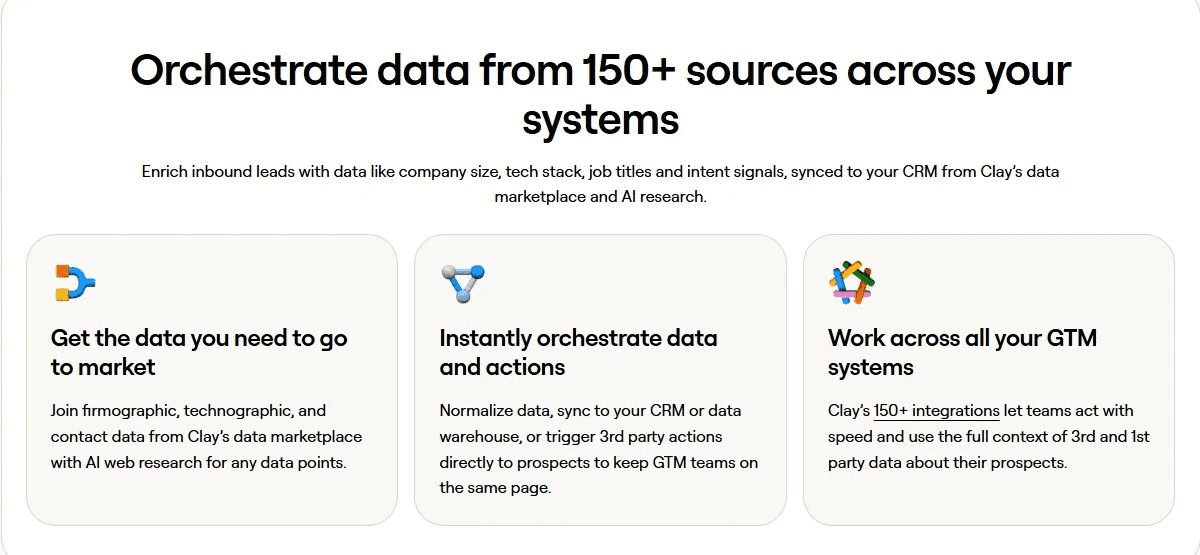
Clay positions itself as a centralized infrastructure layer for revenue operations. It does not sell you a list of contacts. It provides the architectural services required to build your own programmatic outbound engine from scratch.
Inbound Lead Enrichment and Routing: The system can automatically catch inbound lead data from a website form, ping dozens of data providers to append missing firmographics, and score the lead before routing it to the correct sales representative.
CRM Enrichment and Maintenance: Operations teams use the platform to continuously audit existing CRM records. It can cross-reference outdated contacts against 150+ external databases to update job titles or flag accounts that have churned.
AI-Powered Web Research (Claygent): Instead of relying solely on structured databases, operators deploy AI agents to scrape unstructured web data. This service can automatically read a company's 10-K report or parse recent press releases to generate hyper-relevant outreach hooks.
Website Intent Deanonymization: Clay provides a service to track anonymous website visitors and run their IP data through a waterfall of external providers. This deanonymizes the traffic and automatically builds a list of targetable contacts at those visiting companies.
Services Offered by Lead411
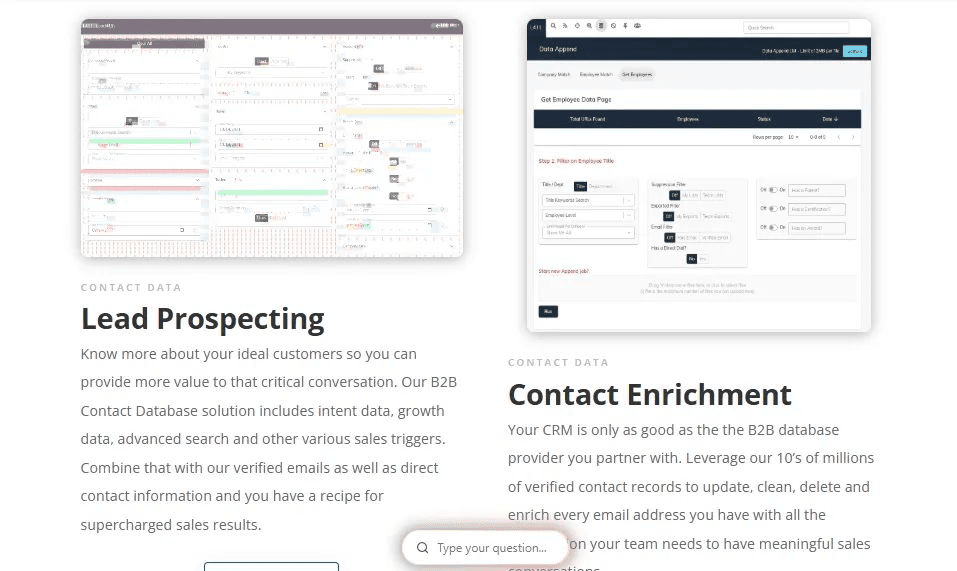
Lead411 provides immediate data acquisition and execution solutions. The platform is built to service sales development representatives who need accurate contact information and the tools to engage those contacts without leaving the application.
Lead Prospecting and Acquisition: The primary service is access to a proprietary B2B contact database. Users query this database to acquire lists of potential buyers based on highly specific industry, location, or revenue criteria.
Read about Lead Generation and Demand Generation
Sales Engagement (Reach): Unlike tools that force you to export data, Lead411 offers a native sales engagement service. Reps can build automated email and SMS cadences directly within the platform to contact the leads they just sourced.
Growth Intent Triggers: The platform monitors the market for specific business milestones that indicate an account is ready to buy. This service alerts reps when a target company receives new funding, posts specific job openings, or expands its physical footprint.
CRM Data Enhancer: Lead411 offers a continuous cleansing service for existing CRM instances. The system actively monitors your Salesforce or HubSpot records for job changes or email bounces and overwrites them with verified updates.
Key Features of Clay vs Lead411
While services describe the high-level solutions, features are the specific mechanical tools the platform provides to execute those solutions. The feature sets here highlight the divide between deep programmatic control and immediate out-of-the-box utility.
Key Features of Clay
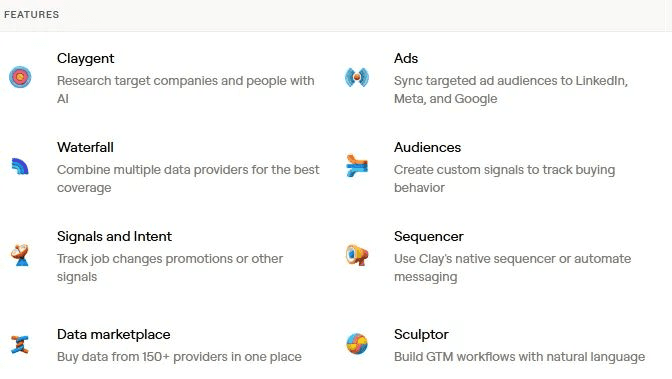
The engineering interface of Clay is built around giving users absolute control over how data is processed and formatted. These features are designed for technical operators who need to manipulate data at scale.
150+ Integrated Data Providers: Users can connect API keys for platforms ranging from Clearbit and Apollo to specialized niche scrapers. This allows workflows to ping multiple databases sequentially until the desired data point is found.
AI Conditional Logic: This feature allows operators to build complex "if/then" branching paths without writing code. A common logic flow dictates that if a prospect is a C-level executive, the system triggers a premium mobile number provider. If the prospect is a mid-level manager, the system falls back to a cheaper email-only provider.
AI Data Formatting: The system includes built-in AI tools to automatically clean incoming data. It can parse poorly formatted CRM entries, remove emojis from scraped names, and ensure all titles follow a strict standardized casing before exporting.
Native SOQL Importing: Technical teams can bypass basic syncs by using Salesforce Object Query Language to import highly specific, conditional batches of Salesforce records directly into their workspace.
Key Features of Lead411
Lead411 focuses its engineering efforts on data verification and precise filtering mechanisms. The feature set prioritizes giving sales reps the most accurate contact paths possible with minimal configuration.
Double-Verified Direct Dials: The platform features a unique reverification engine. It employs both automated pinging and a dedicated human research team to manually verify high-value phone numbers on a rolling 90-day cycle.
Bombora Intent Integration: This built-in feature overlays third-party behavioral data onto the contact database. Reps can instantly see a surge score indicating when a target account is actively researching a specific software category across the B2B web.
35+ Advanced Search Filters: Users have access to an extremely granular search interface. The technographic filter allows reps to track over 30,000 specific software installations. The advanced people filter allows sorting by employee alumni networks, language fluencies, or recent awards.
Intelligent Chrome Extension: The browser extension allows reps to extract verified contact data directly from LinkedIn profiles or corporate websites. It automatically deduplicates this data against previous lists to ensure reps never spend credits on contacts they already own.
How Accurate Is the Data from Clay and Lead411?
Data accuracy operates under two entirely different paradigms here. One platform aggregates the internet. The other strictly controls a private database. Understanding this structural distinction is critical for revenue operations teams trying to calculate their expected bounce rates.
Clay Data Accuracy
Clay does not actually own a contact database. Its accuracy is entirely dependent on the specific external vendors connected to the workspace. By routing searches through a waterfall of over 150 different data providers, users consistently achieve higher coverage rates than any single database can offer. If a primary vendor returns a bounced email, the system automatically checks a secondary vendor.
Recent analysis on G2 Clay Reviews indicates that chaining the right providers together can push enrichment coverage high. However, this model carries a specific risk. If an operator connects low-tier data providers to save money, the resulting CRM data will degrade quickly. The platform provides the infrastructure for perfect accuracy, but the user must supply the right APIs.
Lead411 Data Accuracy
Lead411 takes a completely centralized approach to data hygiene. The platform manages its own proprietary database and strictly enforces a 90-day reverification schedule for all contact records. This cycle actively combats the estimated 30% annual decay rate of standard B2B contact data.
The company utilizes a triple-verification process. This framework includes automated SMTP pinging, email open validation, and manual human verification. This specific combination yields a stated 96% accuracy rate for direct dials. The data accuracy is exceptionally high within the United States, though global coverage is naturally smaller than an aggregated tool like Clay.
Also read: 9 Best B2B Marketing Tools (Free & Paid) to Try in 2026
Which Platform Offers the Most Intuitive User Experience?
User experience in data platforms dictates the speed of deployment. A platform's interface determines whether a team can generate pipeline on day one or if they need to spend weeks building infrastructure.
Clay User Experience
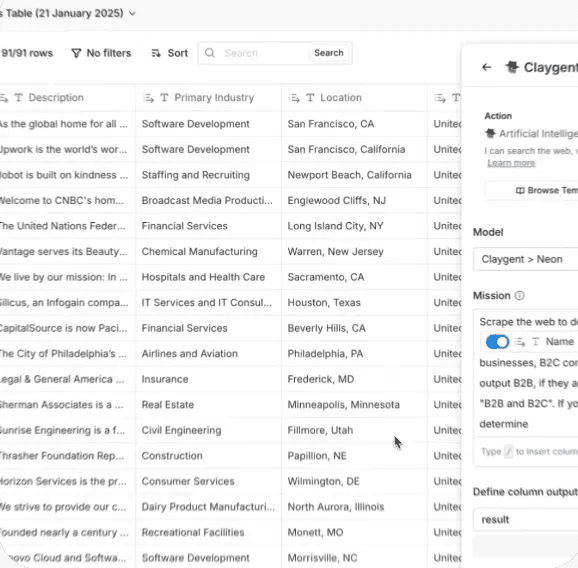
The environment inside Clay resembles an engineering workspace rather than a traditional sales directory. It forces users to apply algorithmic thinking to build their outbound engine.
The Spreadsheet Interface: The primary interface mimics a spreadsheet, but every column acts as an active API call. Users do not simply filter a list.
The Learning Curve: Getting started requires a high degree of technical literacy. Operators must understand API rate limits, conditional fallback logic, and credit management. Power users also report hitting maximum column limits during complex builds.
The Blank Slate Reality: When a user logs in for the first time, the platform is entirely empty. There is no pre-populated directory to search. The user must build the entire data waterfall from scratch before a single email address appears.
Lead411 User Experience
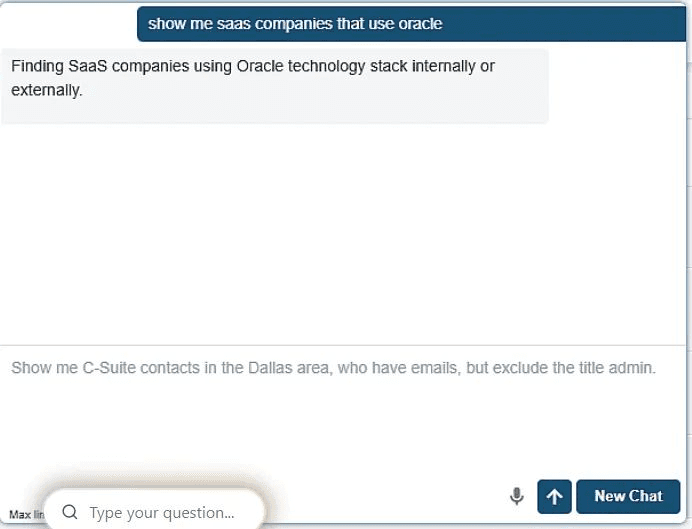
Lead411 prioritizes immediate accessibility and low-friction prospecting. The platform is structured specifically for sales development representatives who need to execute campaigns without technical intervention.
Traditional Database Navigation: The main dashboard operates as a straightforward search engine. Users apply over 35 distinct filters, including specific technographics or Bombora intent surges, to immediately generate populated lists of verified contacts.
The Intelligent Chrome Extension: A defining aspect of the daily workflow is the browser extension. Reps use this tool directly over LinkedIn profiles or corporate websites to extract emails and direct dials without switching tabs.
Immediate Time to Value: The onboarding process requires almost zero technical training. A sales rep can log into the platform, build a targeted list based on recent funding triggers, and export those contacts to a sales engagement tool within ten minutes.
Pricing and Plans
Software pricing architectures directly reflect how the underlying technology operates. A platform's billing structure determines whether you pay for the volume of data extracted or the computational complexity required to find it.
Clay Pricing Plans
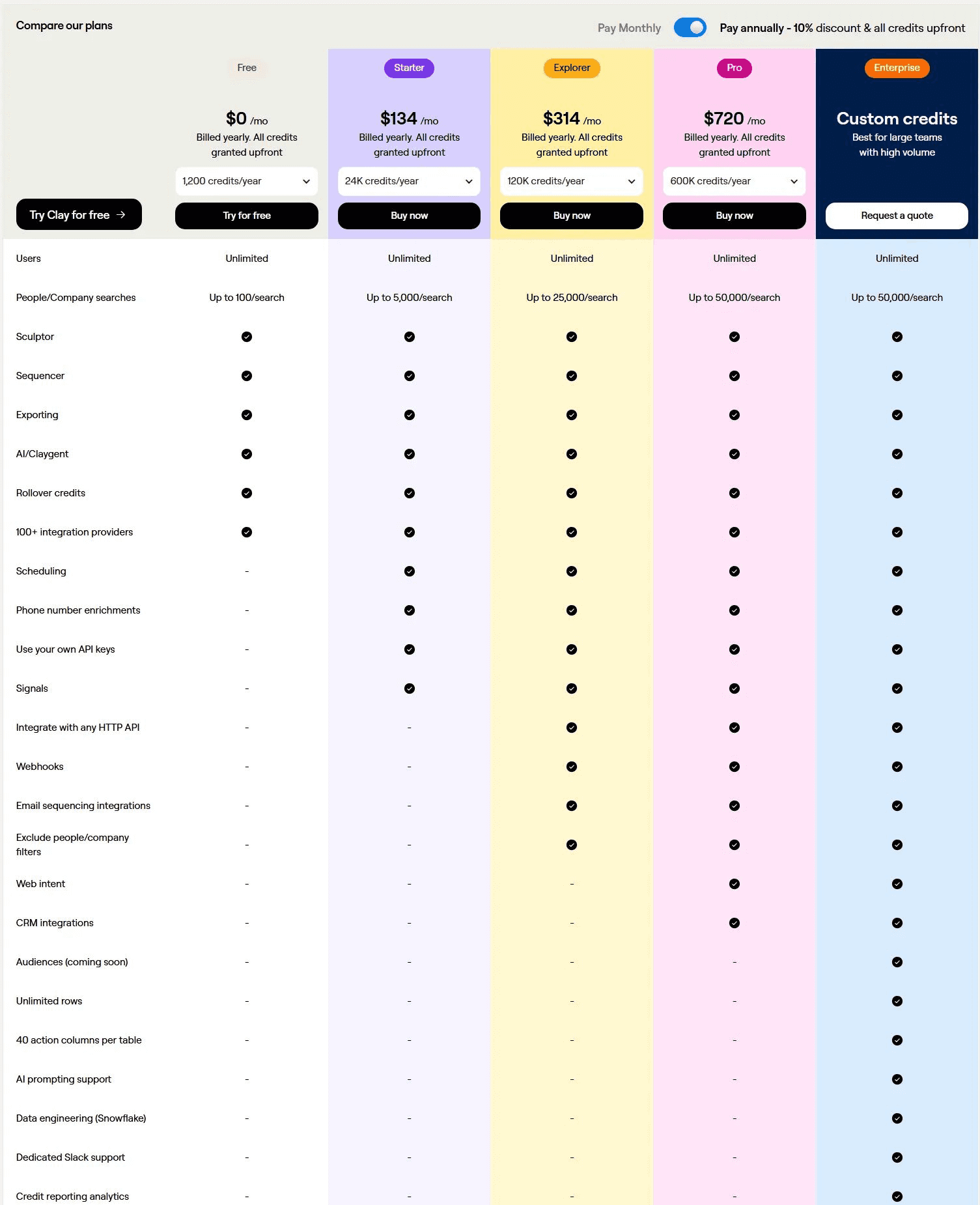
Clay utilizes a variable, credit-based economy rather than a strict seat license model. The total cost fluctuates based entirely on the specific external data providers you choose to ping during an enrichment waterfall.
Free Plan: This tier costs $0 and provides 100 credits per month. It restricts phone number enrichments and serves only as a testing environment for building basic tables.
Starter Plan: This plan costs $134 per month when billed annually. It grants 2,000 monthly credits and unlocks the ability to use your own API keys for external providers.
Explorer Plan: This tier costs $314 per month when billed annually. It delivers 10,000 monthly credits and provides full access to HTTP API configurations and custom webhooks.
Pro Plan: This package costs $720 per month when billed annually. It supplies 50,000 monthly credits and native integrations for Salesforce and HubSpot.
Enterprise Plan: Clay positions its Enterprise plan as a central infrastructure layer designed to consolidate a company’s GTM (Go-To-Market) tech stack and scale outbound operations.
Lead411 Pricing Plans
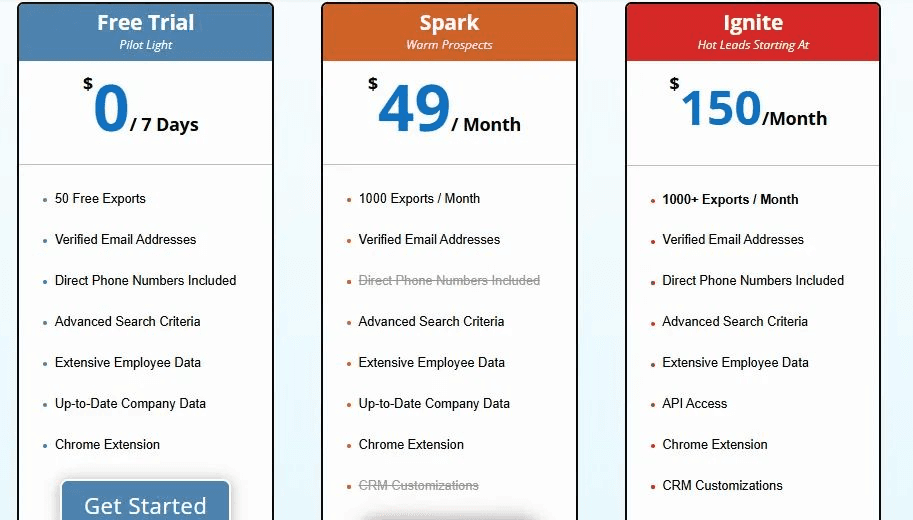
Lead411 follows a traditional seat-based subscription model anchored by strict export limits. You pay a predictable baseline fee for database access, but scaling outbound volume requires purchasing higher tiers.
Spark Plan: This entry tier costs $490 per user annually or $49 on a month-to-month basis. It allows 12,000 annual exports and includes the core Chrome extension functionality.
Ignite Plan: The Ignite plan is a powerful mid-tier solution priced at $150 per month, specifically designed to provide a competitive edge through its AI Search Assistant.
Blaze Plan: This enterprise package requires a custom quote negotiated directly with sales. It removes export ceilings entirely to support high-volume, unrestricted data acquisition.
Who Should Use Clay vs Lead411?
Software ROI depends entirely on the personnel operating the system. Purchasing a platform that misaligns with an organization's technical headcount leads directly to shelfware. The choice here requires an honest audit of internal engineering capacity versus the need for immediate pipeline generation.
Who Should Use Clay?
Clay operates as infrastructure. It requires builders to extract its full value.
RevOps and Growth Engineers: The ideal user possesses the technical literacy to manage API payloads and write JSON conditional logic. These operators need the freedom to build custom waterfall architectures that bypass standard database limitations.
Complex Outbound Organizations: Teams running highly personalized outbound campaigns across multiple regions benefit massively from this platform. Operators can configure compliance guardrails directly into the workflow. For example, a rule can ensure EU prospects only route through specific GDPR-compliant data vendors while US prospects route elsewhere.
AI-Driven Content Teams: Organizations utilizing programmatic outbound need Clay to parse unstructured web data at scale. The platform can scrape 10-K reports and feed that exact text into large language models for hyper-personalized email generation.
Who Should Use Lead411?
Lead411 operates as a turnkey solution. It requires sales professionals ready to execute immediately.
Sales Development Representatives (SDRs): The core user is a rep who needs to log in, filter a list, and start dialing within five minutes. The platform removes technical blockers entirely so reps can focus on conversion rather than data orchestration.
Lean Go-To-Market Teams: Mid-market companies without dedicated operations personnel rely on Lead411 to function as their entire data ecosystem. The native CRM sync ensures data flows to the sales engagement tool without requiring a data engineer to map the fields.
US-Centric Sales Organizations: Teams targeting the North American market get the highest yield from the proprietary 90-day reverification cycle. They also capture the maximum value from the integrated Bombora intent surges. These intent signals are heavily concentrated and most accurate within the US B2B software market.
Pros and Cons of Clay vs Lead411
Evaluating software requires mapping specific features to your operational reality. The distinct engineering philosophies behind these platforms create entirely different operational experiences.
Clay Pros and Cons
The architectural design of Clay focuses entirely on programmatic data orchestration rather than pre-packaged access. This structural choice directly dictates where the platform excels and where it requires dedicated operational support.
Pros
Limitless Data Coverage: Combining 150 different API connections ensures revenue teams never rely on a single failing database.
Advanced Conditional Logic: Operators control the exact cost-to-quality ratio by routing specific lead tiers to different external data vendors.
Native AI Parsing: Built-in LLM integrations automatically format scraped unstructured web data before it ever hits the CRM.
Cons
The Blank Slate Dependency: The platform provides zero native data upon login. Users must build and maintain the entire waterfall infrastructure themselves.
API Management Overhead: Workflows stall completely if external provider APIs change their rate limits or experience unexpected outages.
Variable Billing Mechanics: A poorly written logic rule can drain a monthly credit allotment in minutes by accidentally pinging premium providers for low-tier leads.
Read next: 12 Best lead 411 alternatives in 2026
Lead411 Pros and Cons
Lead411 operates as a closed, proprietary data ecosystem built for immediate deployment. This fundamental approach shapes its primary advantages for outbound reps while establishing its natural technical boundaries.
Pros
Zero Technical Debt: Sales representatives can extract verified lists and push them to outreach sequences within minutes of logging in.
High-Fidelity Direct Dials: The strict 90-day human reverification cycle drastically lowers SDR bounce rates.
Integrated Behavioral Triggers: Built-in Bombora data allows teams to filter prospects based on active market research without purchasing a separate intent platform.
Cons
Closed Ecosystem Architecture: Teams cannot plug their own niche data scrapers or external API vendors into the platform.
Static Routing Paths: The system lacks the conditional logic required to automatically send different tiers of leads through different verification paths.
Geographic Concentration: The rigorous manual verification methodology naturally results in a highly accurate but significantly smaller total addressable market outside of North America.
Read next: 12 Best lead 411 alternatives in 2026
Which One Is a Better Option?
Your decision comes down to human capital, not software budgets. You must audit your internal team structure before signing either contract.
If you employ a dedicated revenue operations manager capable of writing JSON and managing API keys, choose Clay. It provides the exact infrastructure needed to build a multi-provider outbound machine that outperforms static databases.
If your revenue team consists entirely of sales representatives tasked with immediate pipeline generation, choose Lead411. Implementing an API-first tool without engineering support guarantees failure. You need the immediate actionability and human-verified direct dials that a closed ecosystem provides.
Ready to bypass the technical debt of building your own waterfall? Discover how FullEnrich delivers multi-provider enrichment with zero engineering required. Start your free trial today.
Frequently Asked Questions (FAQs)
Which platform is better for workflow automation?
Clay excels in automation, allowing teams to build multi-source enrichment pipelines with triggers and API integrations. Lead411 offers minimal workflow automation, focusing instead on ready-to-use data.
Can Lead411 replace multiple data providers?
No. Lead411 provides a verified contact database with intent signals, but does not aggregate multiple external sources as Clay does. Clay enables combining multiple providers into a single enrichment pipeline.
Which tool is easier for non-technical teams?
Lead411 is easier for non-technical users. Its dashboard, filters, and alerts are plug-and-play. Clay requires technical setup to configure pipelines and API connections.
Which platform provides better intent data?
Lead411 provides built-in intent signals, company triggers, and buying signals. Clay requires connecting external providers or APIs to access intent data.
Is Clay suitable for small teams or startups?
Clay can work for small teams, but setup complexity may be overkill. It is most beneficial for teams with technical resources and multi-region outreach requirements.
Does Lead411 support multi-region prospecting?
Yes, but its strongest data coverage is in the US and the EU. Coverage in other regions may be limited compared to Clay's, but it is connected to global providers.
Which platform provides API access?
Clay is API-first, allowing full workflow automation and integration with CRMs, internal dashboards, or custom enrichment pipelines. Lead411 has limited API functionality, mainly for CRM sync.
Which platform scales better for enterprise teams?
Clay scales better for enterprise teams that require complex enrichment pipelines, multiple providers, and compliance controls. Lead411 scales for mid-market teams needing quick access to verified leads.
Can both platforms integrate with CRMs?
Yes. Clay integrates via API, while Lead411 provides direct CRM integrations with Salesforce, HubSpot, and other marketing platforms.
Which platform delivers faster ROI for sales teams?
Lead411 delivers faster short-term ROI by providing actionable, ready-to-use leads. Clay provides long-term value for teams investing in automated workflows and multi-source enrichment.



Other Articles
Cost Per Opportunity (CPO): A Comprehensive Guide for Businesses
Discover how Cost Per Opportunity (CPO) acts as a key performance indicator in business strategy, offering insights into marketing and sales effectiveness.
Cost Per Sale Uncovered: Efficiency, Calculation, and Optimization in Digital Advertising
Explore Cost Per Sale (CPS) in digital advertising, its calculation and optimization for efficient ad strategies and increased profitability.
Customer Segmentation: Essential Guide for Effective Business Strategies
Discover how Customer Segmentation can drive your business strategy. Learn key concepts, benefits, and practical application tips.